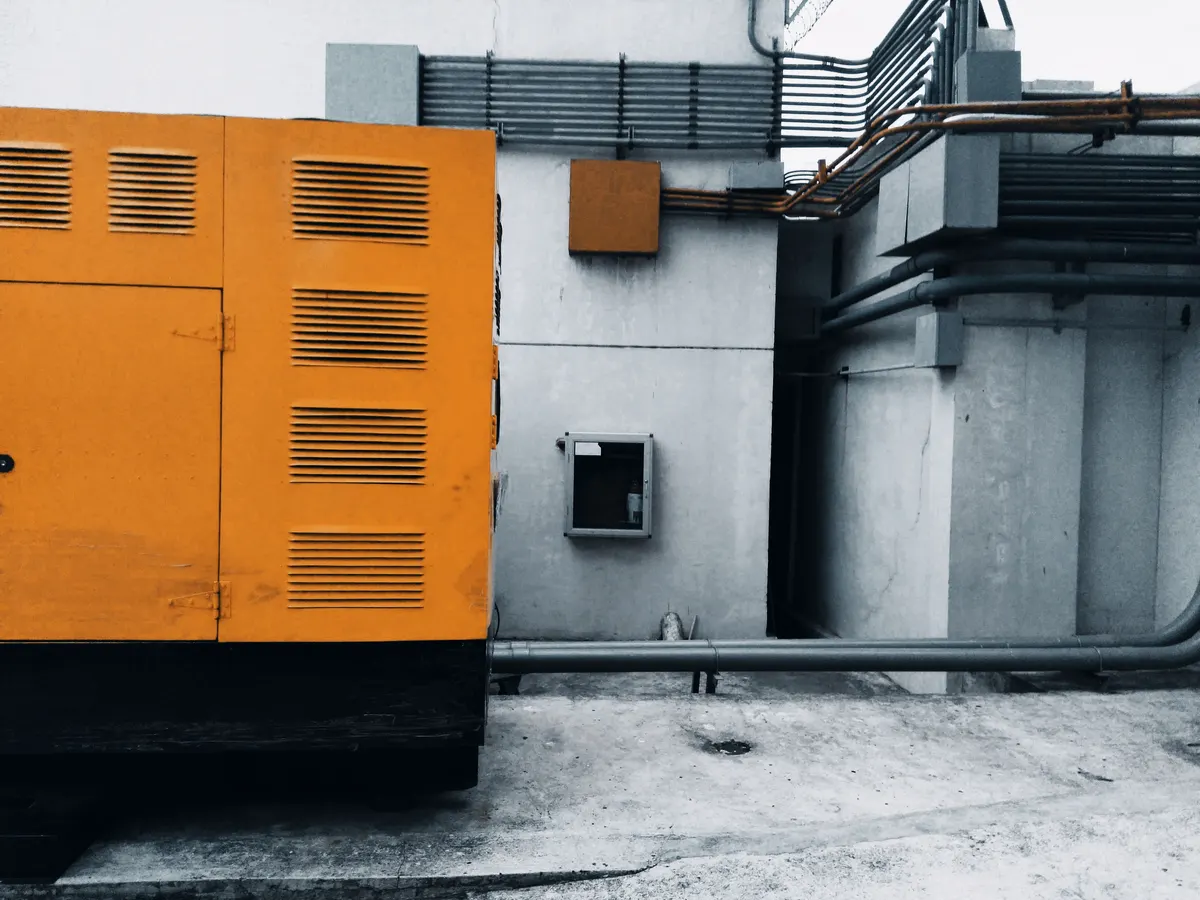
A standby generator that will not start usually comes down to one of four things. A weak battery. A closed or low fuel supply. The controller sitting in OFF instead of AUTO. Or a fault code that has not been cleared. Check the display screen first. Most Generac and Kohler units show a plain alarm message. Something like "Low Battery" or "Overcrank." That message points straight at the problem.
This guide walks through each cause. It explains what the common fault codes actually mean. And it tells you when to stop guessing and call for a repair during an Evanston or Northbrook outage.
Quick Checklist: Check These Four Things First
Short answer: Before you assume the worst, check four things. Is the controller set to AUTO? Does the display show an alarm message? Is the oil level normal? Is the fuel valve open? These four checks solve most no-start calls without a technician visit.
- Controller mode. If someone bumped the switch to OFF or MANUAL, the unit will not start on its own when ComEd power drops.
- Display alarm. A code or plain text message, like "Low Battery" or "Overcrank," tells you exactly where to look next.
- Oil level. Low oil triggers an automatic safety shutdown. Check it with the unit off and cool.
- Fuel supply. Confirm the gas valve is open. On propane systems, check that the tank is not running low.
Weak or Dead Battery
Short answer: A weak 12-volt starting battery is the single most common reason a standby generator fails to start. These batteries usually need replacing every two to three years. Many units flag a weak battery before it fails completely.
The starting battery cranks the engine, the same way a car battery does. It also powers the control board when the power is out. Generac units show error code 2750 when battery voltage stays under about 12.1 volts for a full minute. That code usually means the battery needs charging or replacing. A battery can read normal voltage at rest and still fail under the strain of cranking. That is why a proper check uses a load tester, not just a voltmeter.
Cold weather makes weak batteries fail faster. That is exactly when a North Shore homeowner needs the generator most. Our generator winter maintenance guide covers how to keep the battery ready before the first hard freeze.
Closed Fuel Valve or Low Propane
Short answer: If the engine cranks but will not fire, the problem is usually fuel. Check that the natural gas valve is fully open. On propane systems, confirm the tank has enough fuel to hold proper pressure.
Most North Shore standby generators run on natural gas through Nicor or North Shore Gas. That supply almost never runs dry. But a valve closed during landscaping work or a gas line inspection will stop the engine cold. Propane systems fail differently. A tank gauge can show fuel left and still lack the pressure the generator needs, especially in cold weather. Propane owners should treat 20 percent as the point to refill, not the point to worry.
An engine that cranks twice and still will not fire usually trips an overcrank fault. That is covered in the next section. It is the controller's way of saying it tried, and the fuel side did not cooperate.
What the Error Codes Mean
Short answer: Generac's most common no-start codes are 2750 for low battery, 1100 for overcrank, and the 1500 series for RPM sense loss. Overcrank almost always points to fuel or a worn part. RPM sense loss points back to the battery, starter, or ignition system.
Error codes vary by manufacturer. But the causes behind them overlap across Generac, Kohler, and Briggs and Stratton systems. Generac publishes its own troubleshooting guide for home standby generators. It is a useful reference no matter which brand sits in your yard.
| Code or Alarm | What It Means | Most Likely Cause |
|---|---|---|
| Low Battery (2750) | Battery voltage stayed below about 12.1 volts for a minute | Aging battery, loose terminal, failed charger |
| Overcrank (1100) | The engine cranked but did not start after two automatic attempts | Fuel supply issue, spark problem, or worn engine part |
| RPM Sense Loss (1501 to 1515) | The controller lost its read on engine speed during cranking | Bad battery, starter contactor, or ignition coil |
| No Alarm, No Start | Unit appears dead with no display activity | Controller not in AUTO, tripped breaker, or blown fuse |
RPM sense loss deserves a closer look. Homeowners often assume it means a bad engine sensor. In most cases the real cause is the battery again. Or the starter contactor, a small relay near the controller that sends the start signal to the starter motor. Generac's own explanation of the RPM sense loss codes walks through the full diagnostic order. It starts with a battery load test before touching anything else.
What this means for your generator: A code on the display is not a full diagnosis by itself. It tells a technician where to start looking, not what part to order. Two generators can show the same overcrank code and need two completely different repairs. One a fuel valve. The other a failed ignition coil.
Not Sure What the Code Means?
Tell us what your generator is showing and we will connect you with one licensed local electrician who can diagnose it correctly the first time.
Get a Free EstimateThe Controller Is Not Set to AUTO
Short answer: A generator only starts on its own during an outage when its controller switch is set to AUTO. If it got switched to OFF or MANUAL, it will sit silent no matter how long the power stays out.
This sounds too simple to be the answer. But electricians say it is one of the most common no-start calls they get. A lawn crew, a painter, or even a curious family member can bump the switch without realizing it. Checking the switch position takes ten seconds. Always do it first, before assuming a mechanical failure.
A Tripped Breaker or Blocked Enclosure
Short answer: A tripped breaker on the generator, or debris blocking the air intake and exhaust, can both stop a start or cause a shutdown right after starting. Clear snow, leaves, and mulch away from the unit. Check for a tripped breaker inside the enclosure.
North Shore winters bring snow drifts and ice. These can pile up against a generator's side panels faster than homeowners expect, especially near a downspout or roof runoff. A blocked air intake can let the unit start, run briefly, then shut down on an overheat or airflow fault. To a homeowner, that looks like a no-start problem, even though the engine actually fired.
If you are still deciding between generator types for your home, our guide to why the North Shore loses power so often explains the outage patterns that make a reliable standby unit worth the investment.
Why Weekly Self-Tests Matter
Short answer: Most home standby generators run a short, no-load self-test on a weekly schedule by default, usually about five minutes. This exercise keeps the engine lubricated and the battery charged. It also gives the unit a chance to flag a problem before an actual outage.
The weekly test is set at the factory. You can adjust it to a different day or time. But skipping it, or ignoring repeated test failures, is one of the fastest ways to end up with a generator that fails when you need it. Generac explains the purpose of this cycle in its own guide to what a generator exercise is and why it runs. If your unit fails its self-test two weeks in a row, treat that as an early warning. Do not wait for the next storm to deal with it.
Checking outage status while you wait on a repair is easier with the ComEd outage map guide. It covers how to track restoration times from your phone.
When to Stop Troubleshooting and Call a Pro
Short answer: Call an electrician once you have checked the AUTO switch, the fuel supply, and the obvious battery signs, and the unit still will not start. The same goes if it keeps repeating the same fault code. Repeated overcrank or RPM sense loss faults usually need a load tester and diagnostic tools a homeowner will not have.
It is also worth calling sooner if the generator is more than eight to ten years old. Aging parts and discontinued components can turn a simple repair into a long search for the right one. Our generator repair service page covers what a diagnostic visit typically looks for. Our generator maintenance page explains how routine service prevents many of these no-start calls in the first place.
Frequently Asked Questions
Why won't my generator start during a power outage?
The most common reasons are a weak or dead battery, a closed fuel valve or low propane, the controller switched to OFF or MANUAL instead of AUTO, or an active fault code that needs to be cleared first.
What does a low battery error code mean on a standby generator?
On Generac units, error code 2750 means battery voltage stayed below about 12.1 volts for a full minute. Standby batteries usually last two to three years, so this code often means the battery needs a load test and likely a replacement.
What does overcrank mean on a generator?
Overcrank, Generac code 1100, means the engine cranked but failed to start after two automatic attempts. It usually points to a fuel supply issue, a worn ignition part, or an installation problem, not the battery.
How often should I test my standby generator?
Most units run a short, no-load self-test automatically once a week, usually around five minutes. You can change this factory default schedule. What matters is keeping some regular test cycle running, so it catches small problems before an actual outage.
Can a generator run out of fuel and refuse to start?
Yes. Natural gas generators rarely run out, since they connect to Nicor or North Shore Gas service. But a manually closed valve will stop them cold. Propane generators can lose starting pressure well before the tank gauge reads empty. Refilling around 20 percent is the safer habit.
When should I call a professional instead of troubleshooting myself?
Call once you have checked the AUTO switch, the fuel supply, and the obvious battery signs, and the unit still will not start. The same goes if it keeps repeating the same fault code. Diagnosing a repeated overcrank or RPM sense loss fault usually needs a load tester and training a homeowner will not have.
A generator that will not start is stressful in the middle of a North Shore outage. But most no-start calls trace back to one of the causes above. Fill out the form below. We will connect you with one licensed and insured local electrician who can find the real cause and get your system ready for the next storm.