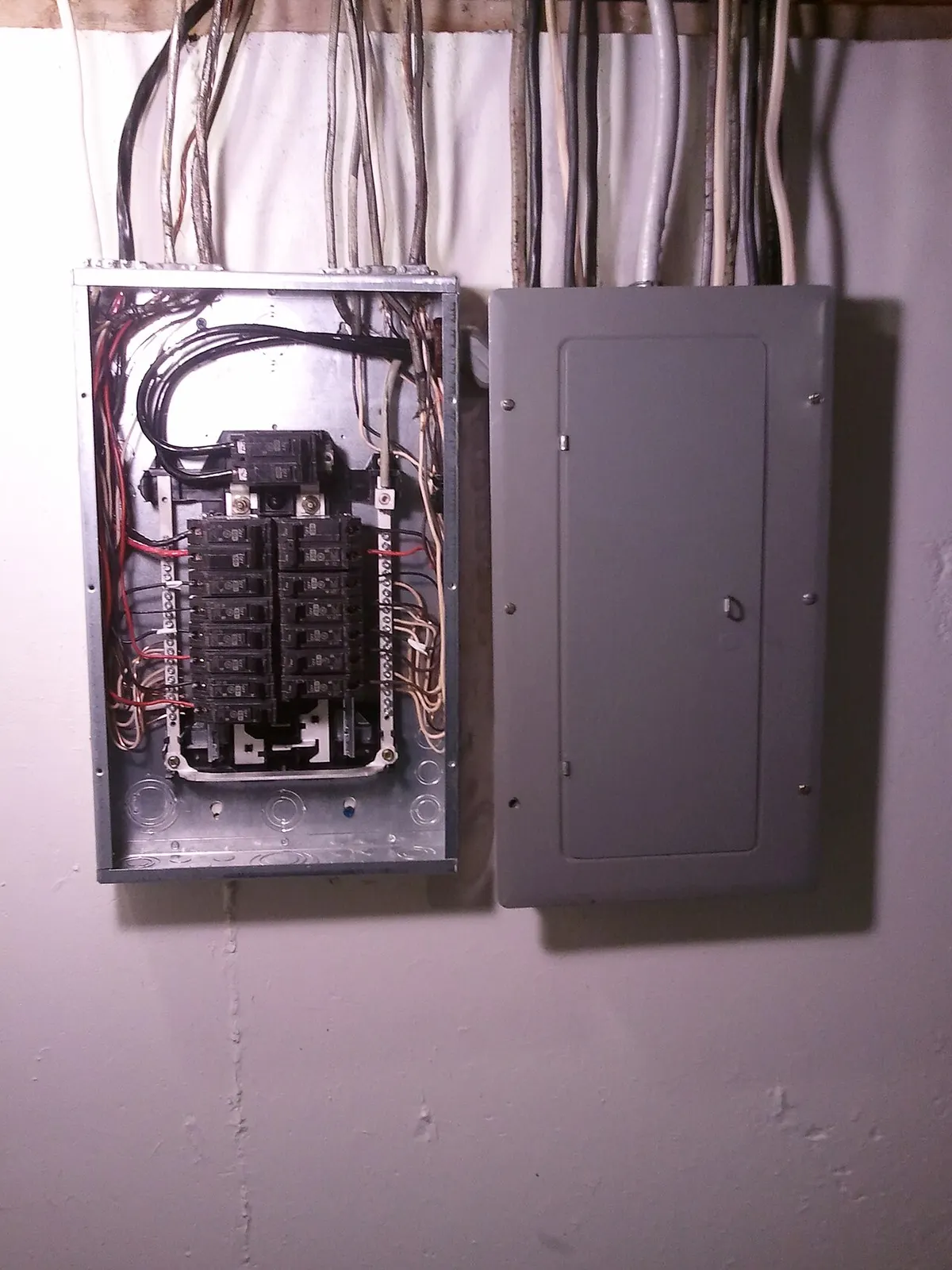
Yes, you need a permit to install a standby generator in Illinois. Every North Shore village requires at least an electrical permit, and most installs also need a plumbing or gas permit because the unit ties into your Nicor or North Shore Gas line. Northbrook, Wilmette, Winnetka, and their neighbors each review where the unit sits on your lot before work can start.
That sounds like a lot of paperwork. In practice, your installer handles almost all of it. But knowing how the process works helps you spot a corner-cutting contractor and plan a realistic timeline. Here is the whole picture, with links to the official sources.
Why Do You Need a Permit for a Standby Generator?
A standby generator combines the two most regulated things in your house: natural gas and high-voltage electricity. Permits exist so a village inspector confirms the gas line cannot leak, the wiring meets the National Electrical Code, and the transfer switch keeps your generator from feeding power back into ComEd's lines. That backfeed protection saves lineworkers' lives. The gas permit process looks a little different depending on whether you run natural gas or propane; our natural gas vs. propane generator guide covers what each path involves.
There is a selfish reason to care too. An inspected install is documented. If a fire or gas leak ever leads to an insurance claim, the permit record shows the work was done right. And when you sell your home, the buyer's attorney will check that the big shiny unit next to the house has a closed permit behind it.
Which Permits Does a Generator Install Need?
Most North Shore generator projects need two permits and one review: an electrical permit for the wiring and transfer switch, a plumbing or gas permit for the new fuel line, and a zoning review of the unit's spot on your lot. Some villages roll all three into a single application. Others issue them separately.
| Permit or Review | What It Covers | Who Usually Pulls It |
|---|---|---|
| Electrical permit | Transfer switch, wiring, grounding, connection to your panel | Licensed electrical contractor |
| Plumbing or gas permit | New gas piping from your meter, pipe size, leak testing | Licensed plumbing contractor |
| Zoning review | Setbacks from lot lines, placement on the lot, noise, screening | Filed with the permit application |
The application packet is fairly standard across Chicagoland. As a public example, Cook County's generator permit requirements ask for a plat of survey no more than five years old, a site plan showing the unit's distance from every lot line, a single line electrical diagram, and spec sheets for both the generator and the transfer switch. Cook County's plan review deposit is one tenth of 1 percent of the estimated cost of work, with a $25 minimum. Village fee schedules differ, but the document list looks much the same.
Permit costs are a small slice of the total project. Our Illinois generator cost guide breaks down where the real money goes, from the unit itself to the gas line and electrical work.
How Far From the House Does a Generator Have to Be?
The base rule comes from NFPA 37, the national fire standard for stationary engines. A listed home standby unit can sit as close as 18 inches from the house wall. It must stay at least 5 feet from any opening: windows that open, doors, and vents. Your village and your unit's manual can both demand more.
| Direction | Minimum Clearance | Why It Exists |
|---|---|---|
| Back of unit to house wall | 18 inches for listed units | Fire testing allows this reduced distance |
| To windows, doors, vents | 5 feet | Keeps exhaust and carbon monoxide out of the house |
| Front and ends of unit | 3 feet clear | Airflow and service access, including shrubs |
| Above the unit | 5 feet clear | No decks, overhangs, or low branches |
Two warnings here. First, the 18 inch allowance applies to listed units placed per their installation manual, so the manual is part of the code in practice. Second, village zoning rules stack on top of NFPA 37. A spot that passes the fire standard can still fail a lot line setback. This is exactly the review that catches problems on narrow lots in Wilmette and Evanston, where side yards can be tight. Our generator carbon monoxide safety guide covers why a newer federal recommendation now pushes placement well past that 5 foot NFPA minimum.
What Do North Shore Villages Require?
Every North Shore village requires a generator permit, but the details differ. Wilmette publishes lot line and noise numbers. Winnetka focuses on contractor licensing. Northbrook posts a dedicated generator permit guide. Always check your own village's current page before you plan a location, because these rules do change.
| Community | Published Rules Worth Knowing |
|---|---|
| Wilmette | Permit application plus two copies of the plat of survey and spec sheets for the unit and transfer switch. No generators in a front yard or a side yard next to a street. At least 15 feet from side and rear lot lines. Up to 70 decibels at the lot line. Source: Wilmette residential permits. |
| Winnetka | A permit is required for a new or replacement generator, and the electrical work must be done by a contractor licensed in a municipality in Illinois, Wisconsin, or Indiana. Source: Winnetka work requiring a permit. |
| Northbrook | Permit required. The village posts its own generator permit page with the current application and submittal checklist. |
| Northbrook, Glenview & Deerfield | See our full breakdown of permit fees, setback rules, and inspection steps for all three villages: Northbrook, Glenview & Deerfield generator permits. |
| Evanston, Wilmette & Skokie | Evanston adds a historic district review on top of the standard permit. See the setback numbers, noise limits, and inspection steps for all three villages: Evanston, Wilmette & Skokie generator permits. |
| Winnetka, Kenilworth & Glencoe | Kenilworth and Glencoe both set specific decibel and placement rules for generators. See the exact numbers for all three villages: Winnetka, Kenilworth & Glencoe generator permits. |
| Unincorporated Cook County | Digital application, plat of survey under five years old, single line diagram, cut sheets, and letters of intent from registered electrical and plumbing contractors. Source: Cook County generator requirements. |
We could not confirm current permit fee amounts for individual villages, so treat any dollar figure you see on a contractor blog with caution. The village site is the only source that counts. If you live in Northbrook or Winnetka, our town pages list what a local install involves. We have since confirmed current fees for Northbrook, Glenview, and Deerfield specifically; see our permit breakdown for those three villages for exact numbers.
Want the Permit Handled for You?
Tell us about your home and we will connect you with one licensed and insured local electrician who prepares the full permit packet, from survey to final inspection.
Get a Free EstimateHow Does the Permit and Inspection Process Work?
The process runs the same way in most villages: your contractor prepares a packet, the village reviews it, the crew installs after approval, and inspectors sign off at the end. Homeowners rarely touch the paperwork. Your job is picking the installer and the location, then staying home for the final inspection.
- 1. Site visit. The installer checks your panel, gas meter capacity, and possible locations on the lot.
- 2. Packet prep. Plat of survey, site plan, single line diagram, and spec sheets get assembled.
- 3. Village review. Plan reviewers check zoning setbacks, electrical drawings, and gas piping. This is often the longest step.
- 4. Install. Concrete pad, gas line, wiring, and the automatic transfer switch go in after the permit is issued.
- 5. Inspections. An electrical inspection confirms code-compliant wiring and grounding. A gas inspection pressure tests the new line.
- 6. Close out. The village marks the permit final. Keep that record with your house documents.
After a big storm, expect the review step to slow down. Applications spike every time ComEd has a multi-day outage, the way it did in July 2026. That backlog is one more reason to start a whole home generator installation in a calm season rather than the week after the lights go out. Our guide to the best time to install a generator in Chicago covers exactly which months work best. For a full week-by-week breakdown of what happens after you sign a quote, see our generator installation timeline guide.
What Happens If You Skip the Permit?
Skipping the permit can cost far more than getting one. Villages can issue a stop work order the day they notice the unit, and fines vary by town. Worse, an inspector can require the work to be opened up or redone before a late permit is approved. Moving an installed generator even a few feet means new gas piping, new wiring, and sometimes a new pad.
The quiet costs are bigger. An insurance company can question a claim tied to unpermitted gas and electrical work. Home sales on the North Shore routinely stall when an attorney finds an open or missing permit. And an unpermitted unit that sits too close to a neighbor's window is a dispute waiting to happen. The permit is the cheap part of the project. Treat it that way.
Generator Permit Questions, Answered
Do you need a permit to install a generator in Illinois?
Yes. Every North Shore village requires at least an electrical permit for a standby generator. Most installs also need a plumbing or gas permit for the new fuel line, plus a zoning review of where the unit sits on your lot.
How much does a generator permit cost in Illinois?
Fees vary by village and are usually tied to project cost. As one public example, unincorporated Cook County charges a plan review deposit of one tenth of 1 percent of the estimated cost of work, with a $25 minimum. Check your village building department for its current fee schedule.
Who pulls the generator permit, the homeowner or the installer?
The installer, in almost every case. Most North Shore villages require a licensed electrical contractor to apply for the electrical permit. Winnetka, for example, requires the electrical contractor to be licensed in a municipality in Illinois, Wisconsin, or Indiana. A good installer handles the whole packet for you.
How far does a standby generator have to be from the house?
Under NFPA 37, a listed standby generator can sit as close as 18 inches from the house wall, and it must stay at least 5 feet from any window, door, or vent that opens. Your village or your unit's manual may require more distance, and the stricter rule wins.
How long does the generator permit process take?
It varies by village and by season. Plan on a few weeks from application to approval, and expect slower reviews right after a big storm because applications spike. Permit review is often the longest single step of a generator project.
What happens if you install a generator without a permit?
The village can issue a stop work order and fine you. You may have to open walls, move the unit, or redo the work to pass a late inspection. Unpermitted work can also complicate an insurance claim and stall a home sale, since buyers and attorneys check permit records.
Get a Free Permit-Ready Estimate
Permits are where good installers prove themselves. If you want one local licensed and insured electrician to handle the survey, the packet, the install, and both inspections, request a free estimate with the form on this page. It takes about a minute, and your information is never sold.