How Natural Gas and Propane Generators Work
Quick answer: a natural gas generator connects to your home's existing Nicor Gas or North Shore Gas line and never needs refueling. A propane generator draws from a tank on your property that a delivery company refills a few times a year.
A standby generator can run on either fuel, but the fuel source changes how it gets to your unit. Natural gas flows in through Nicor Gas or North Shore Gas underground pipes, the same lines that feed your furnace and stove. There is no tank to fill and no delivery truck to wait for. Propane, on the other hand, sits in a tank on your property, usually 250 or 500 gallons for a whole house unit, and gets refilled by a delivery company a few times a year.
Most homes in Northbrook, Winnetka, Glenview, Highland Park, Lake Forest, Evanston, Wilmette, and the rest of the North Shore already have natural gas service, which makes natural gas the default choice for local installers. Propane usually comes up when a home is on well water and septic with no gas line nearby, or when a homeowner wants a fuel source that keeps running even if the natural gas system itself is ever disrupted.
Natural Gas vs. Propane: Side by Side
Quick answer: natural gas costs less to run and never needs refilling, but propane packs more energy per gallon and can outlast natural gas if the gas utility itself ever goes down. For most North Shore homes with existing gas service, natural gas is the simpler and cheaper choice.
| Factor | Natural Gas | Propane |
|---|---|---|
| Fuel source | Underground utility line (Nicor or North Shore Gas) | Above ground or buried tank on your property |
| Runtime | Unlimited as long as the gas line is intact | Limited to tank size; needs refills for long outages |
| Upfront cost | Lower; no tank to buy or bury | Higher; tank purchase or lease adds to the install |
| Running cost | Lower per hour at current Illinois rates | Higher per hour, but more energy dense per gallon |
| Rated output | Slightly lower kW rating on the same generator model | Slightly higher kW rating on the same generator model |
| Best fit | Homes already on Nicor or North Shore Gas service | Homes without gas service, or homes wanting fuel on site |
What Each Fuel Actually Costs to Run
Quick answer: at half load, natural gas costs under a dollar an hour in supply charges at current Nicor rates, while propane runs a little over four dollars an hour at 2026 Illinois prices. Natural gas also skips the tank and refill costs entirely.
Here is the number most sites will not give you: at half load, the level a 22 kW standby generator typically carries during a real multi-day outage, a natural gas unit burns about 221 cubic feet of gas per hour, according to Generac's published spec sheet for that model. That works out to roughly 2.2 therms an hour. With Nicor Gas' residential supply charge running about 42 cents per therm as of January 2026, according to the Citizens Utility Board, that same hour of runtime costs you under a dollar in gas supply charges alone.
The same generator on propane burns about 2.1 gallons an hour at half load. With Illinois residential propane averaging around $2.03 a gallon in 2026 per U.S. Energy Information Administration data, that hour costs a little over four dollars. Run either generator for three days straight during a bad storm and the gap adds up fast.
Keep in mind these are supply or commodity costs only. Your Nicor or North Shore Gas bill also includes a delivery charge, and propane pricing depends heavily on which local supplier you use and whether you own or lease the tank. Ask any installer to walk you through both fuel costs before you sign a contract. For a full hour by hour and day by day cost breakdown across generator sizes, see our natural gas running cost guide.
Not Sure Which Fuel Fits Your Home?
Tell us your address and home size and we will connect you with one local licensed and insured electrician who can check your gas service and give you a straight answer.
Get a Free EstimateDoes Your Gas Meter Have Enough Capacity?
Quick answer: your installer adds up the gas load of every appliance in your home plus the new generator and submits that number to Nicor Gas or North Shore Gas. The utility then confirms your meter and service line can handle it, or tells you what needs upgrading first.
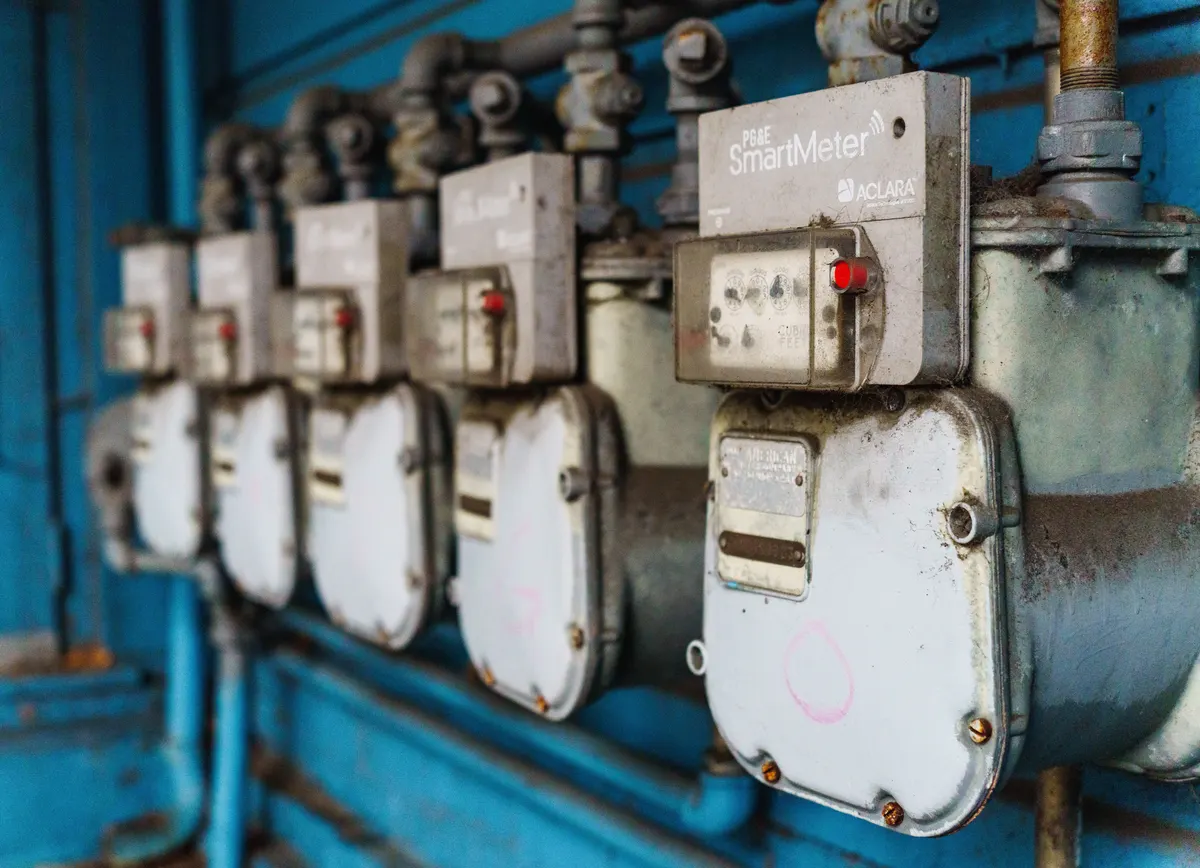
Before you commit to natural gas, your installer needs to check whether your existing gas meter and service line can handle the extra load. Your furnace, water heater, stove, and dryer may already be using a good share of your meter's rated capacity, and a standby generator adds a large new draw on top of that.
The process works like this: your electrician or installer adds up the BTU rating of every gas appliance in your home, including the new generator, and submits that total to your utility as a load calculation. Nicor Gas has a formal process for this, described on its meter service revision request page, and North Shore Gas customers go through a similar review. The utility then tells you whether your current meter is fine as is, needs to be upgraded to a larger one, or whether the service line feeding your home needs work too. This step can add time to your installation timeline, so it is worth starting early rather than assuming your meter is already big enough.
Which Fuel Is Right for Your Home
Quick answer: choose natural gas if you already have gas service and your meter can handle it. Choose propane if you have no gas line nearby, or if you want fuel stored on site as a backup to the backup.
If your North Shore home already has natural gas service from Nicor or North Shore Gas, and your meter can handle the added load, natural gas is almost always the simpler and cheaper path. You skip the tank, the delivery contracts, and the periodic refills, and your running costs stay lower for as long as you own the generator.
Propane makes more sense in a few specific situations. Homes without a gas line nearby, usually farther out toward Libertyville, Lake Bluff, or other spots off the main gas grid, may find propane is the only realistic option. Some homeowners also like having fuel stored on site as a backup to the backup, in case a natural gas disruption ever affects the whole neighborhood at once, though this is a rare event compared to the electrical outages these generators are built for. A handful of standby generator models can even run on either fuel with the flip of a valve, which your installer can discuss if you want maximum flexibility.
Frequently Asked Questions
Is natural gas or propane cheaper to run a generator?
Natural gas is cheaper per hour of runtime in this market. At current Nicor rates and half load on a 22 kW unit, natural gas costs under a dollar an hour in supply charges, compared to a little over four dollars an hour for propane at 2026 Illinois propane prices.
Can I switch my generator from natural gas to propane later?
Some generator models are bi-fuel capable and can switch with a valve change and a technician visit, but many residential units are set up for one fuel type at installation. Tell your installer up front if you want that flexibility so they can spec the right model.
Do I need a bigger gas meter to add a generator?
Possibly. Your installer calculates the combined load of your existing gas appliances plus the new generator and submits it to Nicor Gas or North Shore Gas for review. The utility decides if your current meter and service line can handle it or if an upgrade is needed first.
How long can a propane generator run before I need a refill?
It depends on tank size and load. A 500 gallon tank running a whole house unit at half load, using the roughly 2.1 gallons per hour figure from Generac's specs, would last a little over 200 hours, or roughly eight and a half days, before running dry.
Does propane produce more power than natural gas from the same generator?
Yes, slightly. The same Generac 22 kW model is rated for a maximum of 22 kW on propane but about 21 kW on natural gas, because propane carries more energy per unit of volume.
Which fuel do most North Shore homes use for their generator?
Natural gas, since most homes in Northbrook, Winnetka, Glenview, Wilmette, Evanston, and the surrounding towns already have a Nicor Gas or North Shore Gas connection. Propane comes up more often on properties without existing gas service nearby.
Choosing between natural gas and propane is one of the first decisions in planning a whole home generator installation, right alongside sizing and permits. If you want the full cost breakdown across every part of the project, our Illinois generator cost guide covers unit, gas line, electrical, and permit pricing for typical North Shore homes. And if your home already loses power more often than it should, our guide to why the North Shore loses power explains what is actually happening on the grid.
Ready to Talk Fuel Type and Sizing?
Request a free estimate and we will connect you with one local licensed and insured electrician who can check your gas service, size your unit, and give you a real cost estimate.
Get a Free Estimate