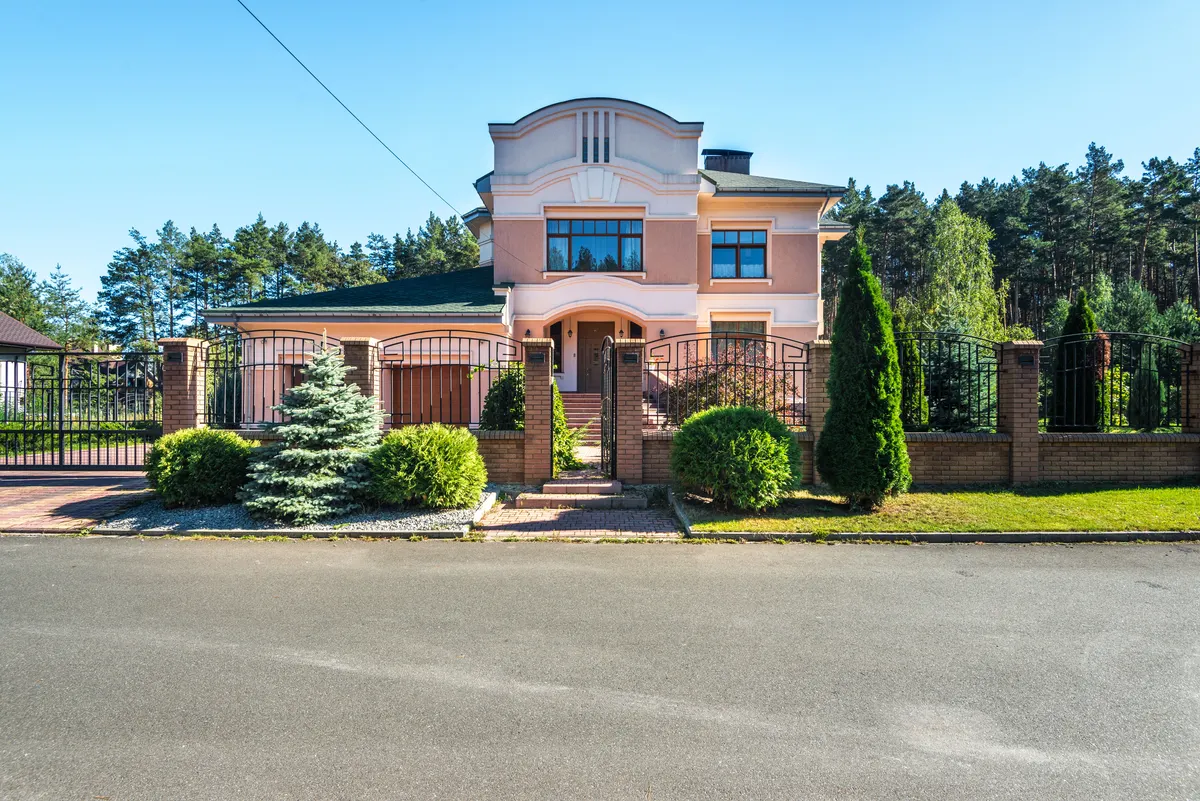
Is a whole house generator worth it? For most North Shore homeowners, the short answer is yes, but the payoff shows up in three different places. You get a small bump in home value, you may get a discount on your homeowners insurance, and you avoid the much bigger cost of a flooded basement or spoiled food during a multi day ComEd outage. A standby generator installed in Wilmette, Winnetka, Glenview, or anywhere else on the North Shore typically runs $8,000 to $18,000. Whether that is worth it depends on how you weigh those three numbers against what you would pay to be without one.
- Is a whole house generator worth it?
- How much value does it add to your home?
- Does it lower your homeowners insurance?
- What a basement flood actually costs
- Who benefits most from a standby generator?
- Standby vs. portable: only one adds resale value
- The real math: cost vs. return
- Frequently asked questions
Is a Whole House Generator Worth It?
Short answer: Yes, for most homes on the North Shore. You get a modest home value increase, a possible insurance discount, and protection from outage costs that are often much higher than people expect. The math works best for homes with a finished basement, a sump pump, anyone who works from home, or anyone who has sat through one of the long ComEd outages that follow a big North Shore storm.
A generator is not free money. It is closer to a furnace or a roof: a real home improvement that protects the house and adds some resale appeal, but does not pay for itself the way a stock investment might. The rest of this page breaks down each part of that math so you can decide for your own home.
How Much Value Does a Generator Add to Your Home?
Short answer: National data puts the value bump at roughly 3 to 5 percent of your home's value, with return on the installation cost ranging from about 50 to 150 percent depending on how much buyers in your area want backup power. On a $1.1 million Wilmette home, a 3 to 5 percent bump works out to $33,000 to $55,000 in added buyer appeal, well above the $8,000 to $18,000 install cost.
Real estate data site HomeLight and home services site Angi both point to the same pattern. Buyers in storm prone or outage prone areas pay a real premium for a home that already has backup power. Chicago's North Shore qualifies. Heavy tree cover and an aging overhead grid mean outages are common enough that buyers notice a standby unit sitting next to the house.
A few things change how much value you actually capture:
- Permanent beats portable. Appraisers only count a generator as a value add when it is permanently wired in with a transfer switch. A portable unit in the garage does not move the number.
- Permits matter. A permitted, inspected installation carries more weight than an unpermitted one, since the paperwork proves it was done to code.
- Size matters. A whole home unit that can run the entire house adds more perceived value than a small unit that only covers a few circuits.
- Location matters. Homes in areas with frequent, well known outages see the strongest buyer interest and the best return.
Find Out What a Generator Would Cost for Your Home
Tell us about your house and we will connect you with one local licensed and insured electrician for a free, no-obligation estimate.
Get a Free EstimateDoes a Backup Generator Lower Your Homeowners Insurance?
Short answer: Often, yes, but only for permanently installed units. Many insurers offer around a 5 percent discount on your homeowners premium when you have an automatic standby generator that runs on natural gas or propane, the same fuel most North Shore homes already use through Nicor or North Shore Gas. Portable generators generally do not qualify.
The logic is simple for insurers. A home that keeps power during a storm is less likely to file a claim for frozen pipes, spoiled food, or a sump pump that failed at the worst possible moment. That lower risk is why some carriers treat a standby generator as a loss prevention feature, similar to a monitored alarm system. Discount amounts and eligibility rules vary by company, so it is worth a call to your agent once the unit is installed and permitted.
What a Basement Flood Actually Costs
Short answer: A basement flood caused by a sump pump losing power during an outage typically costs $4,000 to $8,000 to clean up, and a severe flood in a larger finished basement can run $20,000 to $50,000. Most standard homeowners policies do not cover this kind of damage at all, which is the real number that makes a generator worth it for many North Shore homes.
This is the part of the math that people miss. A generator is not just about comfort during an outage. It is about keeping your sump pump running so your basement does not flood in the first place. According to the Illinois Insurance Association, standard homeowners policies typically exclude damage from sump pump failure and sewer backup unless you have added a separate water backup endorsement. That endorsement usually costs $50 to $250 a year and covers $5,000 to $25,000 in damage, which often is not enough for a serious flood.
Put the numbers side by side. One prevented flood in a finished Evanston or Wilmette basement can cover a meaningful chunk of what the generator cost to install, sometimes the whole thing. We covered the aftermath of a real event in our July 2026 storm recap, where flooded basements followed when sump pumps lost power across the region. If a full standby generator feels like a bigger step than you need right now, see our sump pump battery backup vs. generator comparison for a smaller first line of defense.
| Event | Typical Cost | Covered by Standard Insurance? |
|---|---|---|
| Sump pump failure flood, average case | $4,000 to $8,000 | Usually not, without an endorsement |
| Severe basement flood, larger finished space | $20,000 to $50,000 | Usually not, without an endorsement |
| Water backup insurance endorsement | $50 to $250 per year | Covers $5,000 to $25,000 in damage |
| Whole house generator, installed | $8,000 to $18,000, one time | Not insurance, but prevents the loss |
Who Benefits Most From a Whole House Generator?
Short answer: The math is strongest for homes with a finished basement and sump pump, anyone who works from home, households with medical equipment, and anyone who has already lived through a multi day ComEd outage. If none of those apply to you, a generator is still a comfort upgrade, just a smaller financial one.
- Finished basements with a sump pump. The single biggest risk. A dead sump pump during a storm can flood a finished space in hours.
- Work from home households. A single missed workday from a dead internet router or laptop can cost more than a year of generator maintenance.
- Medical equipment at home. CPAP machines, oxygen concentrators, and refrigerated medication cannot wait out a three day outage.
- Frequent flyers of ComEd outages. If your block loses power every storm season, you already know the cost of doing nothing.
- Homes planning to sell in the next few years. A permitted, permanent generator is one more thing that makes a listing stand out on the North Shore.
Standby vs. Portable: Only One Adds Resale Value
Short answer: A permanently installed standby generator can add resale value and may qualify for an insurance discount. A portable generator does neither, even though it is cheaper up front and can still keep a sump pump and refrigerator running during a shorter outage.
Our standby vs. portable comparison breaks down the differences in output, setup, and day to day use. For the home value question on this page, the short version is that appraisers and insurers only recognize permanent, code compliant installations. A portable unit sitting in the garage is a useful tool, but it will not move your appraisal or your premium.
The Real Math: Cost vs. Return
Short answer: Add up the home value bump, the insurance discount, and the flood damage you avoid, and a $8,000 to $18,000 installation on the North Shore often pays for a large share of itself before you ever consider the convenience of keeping the lights on.
| What You Get | Typical Range |
|---|---|
| Home value increase | 3% to 5% of home value |
| Return on install cost at resale | 50% to 150%, depending on demand |
| Annual insurance discount | Around 5% off your premium |
| Avoided flood cleanup, one event | $4,000 to $50,000 |
| Total install cost | $8,000 to $18,000 |
None of these numbers are guaranteed for every home. Your actual return depends on your home's value, your insurer, and whether you ever face the kind of outage that would have flooded your basement anyway. But across all three categories, the pattern holds: a permanent standby generator is one of the few home upgrades that can pay you back in more than one way.
If you are still deciding, the best next step is a real quote based on your home's size and electrical setup, not a national average. See the full North Shore generator cost breakdown for a line by line look at unit, gas line, electrical, and permit costs, learn what our whole home generator installation process involves, or use the form on this page to get connected with a local licensed and insured electrician.
Frequently Asked Questions
Does a whole house generator add value to my home?
Yes, national data shows a typical increase of 3 to 5 percent of home value for a permanently installed, code compliant standby generator. On a $1.1 million North Shore home, that is roughly $33,000 to $55,000 in added buyer appeal.
Will a generator lower my home insurance rate?
Many insurers offer around a 5 percent discount for a permanently installed automatic standby generator running on natural gas or propane. Portable units usually do not qualify. Ask your agent to confirm the exact discount and requirements.
Is a portable generator a good substitute?
A portable generator can keep a sump pump and refrigerator running during a shorter outage, but it will not add home value or qualify for most insurance discounts, since appraisers and insurers only recognize permanent installations.
How long does a generator take to pay for itself?
There is no fixed timeline, since the payback depends on home value trends, your insurer, and whether you avoid a costly flood. A single prevented basement flood, which can run $4,000 to $50,000, often covers a large share of the $8,000 to $18,000 install cost on its own.
Do I need a permit for the value to count toward my home's appraisal?
Yes. Appraisers give the most credit to installations backed by a permit and inspection, since that paperwork proves the generator and transfer switch were installed to code. See our Illinois generator permit guide for what that process involves.
A generator only keeps adding value if it keeps running. See our guide to how long whole house generators last for the maintenance habits that stretch a unit toward the long end of its 20 to 30 year lifespan.
Does homeowners insurance cover a flooded basement from a dead sump pump?
Usually not. Standard homeowners policies typically exclude sump pump failure and sewer backup damage unless you add a separate water backup endorsement, which typically costs $50 to $250 a year and covers $5,000 to $25,000 in damage.