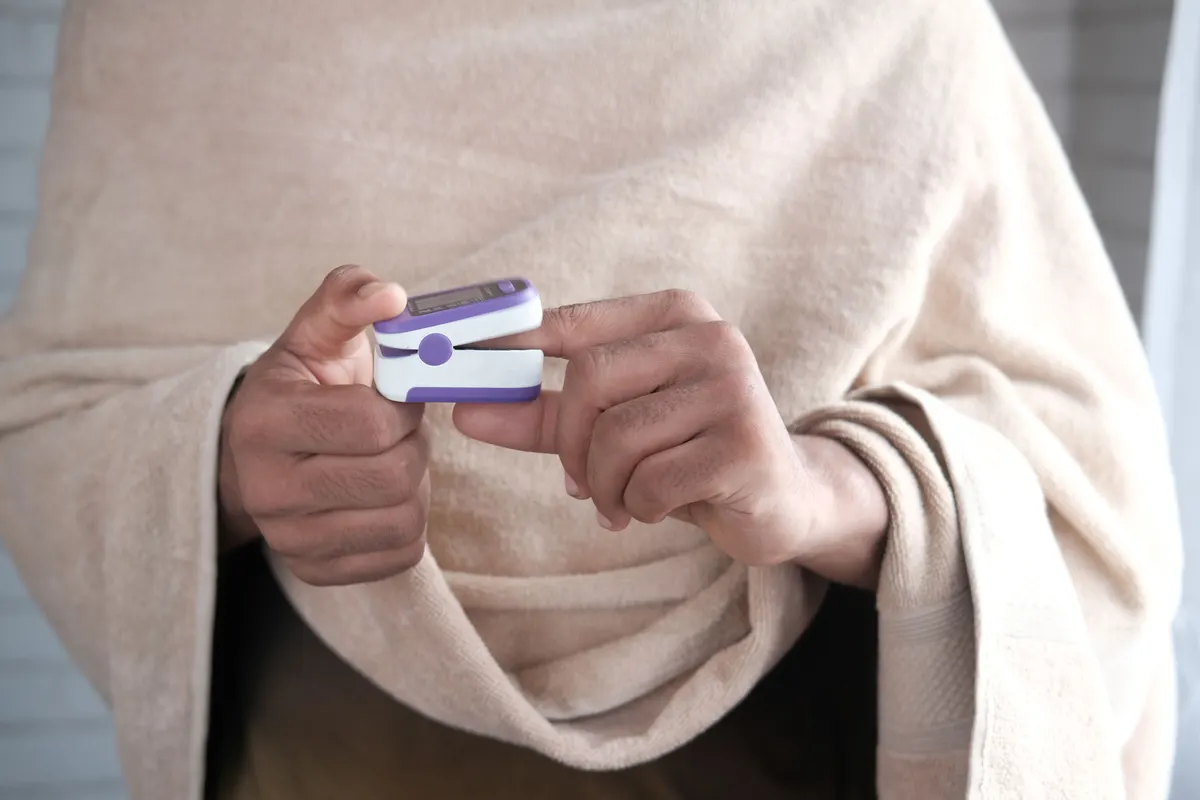
If someone in your home depends on medical equipment, a CPAP machine, an oxygen concentrator, a dialysis machine, or refrigerated medication, a power outage is not a minor inconvenience. It is a medical planning problem. The good news is that a clear plan built before the storm, not during it, keeps most North Shore families safe through even a multi-day ComEd outage. This guide walks through device wattage, backup options, ComEd's medical priority program, and what to do with medication that needs to stay cold.
How Much Power Medical Devices Actually Need
Most home medical equipment uses less power than people expect, but a few devices draw enough to matter when you are sizing a backup. A CPAP machine alone typically pulls 30 to 60 watts, close to what a laptop uses. Add a heated humidifier and that number climbs toward 90 watts. A portable oxygen concentrator usually draws 100 to 300 watts. A full size home oxygen concentrator is the real power hog in most houses, running 300 to 600 watts nonstop, which adds up to 8,000 watt-hours or more over a single day. A home dialysis machine falls in a similar range, often 300 to 500 watts for 8 to 10 hours at a stretch.
| Device | Typical Wattage | Backup Priority |
|---|---|---|
| CPAP machine (no humidifier) | 30 to 60 watts | Easy on a small power station or UPS |
| CPAP with heated humidifier | Up to 90 watts | Easy on a small power station or UPS |
| Portable oxygen concentrator | 100 to 300 watts | Manageable on a mid-size power station |
| Home oxygen concentrator (continuous flow) | 300 to 600 watts | Needs a generator or large battery for multi-day use |
| Home dialysis machine | 300 to 500 watts | Needs a generator or large battery, treatment cannot be skipped |
If you are not sure what your own equipment draws, check the label on the power supply or the back of the unit. It lists watts or amps directly, and that number is what any backup plan gets built around.
Build a Layered Backup Plan
A single backup option rarely covers a whole outage, because North Shore storms do not run on a predictable schedule. A tree comes down on a line during the July 2026 storms and some households waited days for restoration, not hours. The families who handled it best had backup layered like this, not just one option they hoped would be enough.
Layer one: the device's own battery
Many portable oxygen concentrators and CPAP machines have an optional battery pack rated for a few hours. This buys time to figure out the next step, nothing more.
Layer two: a portable power station
A pure sine wave power station with a lithium iron phosphate battery can run a CPAP through the night or an oxygen concentrator for several hours. Size it by multiplying the device's watts by the hours you need, then add about 15 percent for inverter loss.
Layer three: a standby generator
For a device that has to run continuously for days, like a home oxygen concentrator or a dialysis machine, a portable power station is a bridge, not a solution. A whole home standby generator wired to the circuit that matters keeps that device running for as long as the outage lasts, without anyone needing to refuel a portable unit at 3 a.m. See our guide on whether a whole house generator is worth it for how homeowners with medical equipment usually weigh that decision, and our standby vs. portable generator comparison for why medical households almost always land on standby.
Layer four: a non-electric fallback and a place to go
Oxygen users should keep backup tanks from their supplier on hand, not just battery options. Everyone with equipment that cannot lose power for more than a few hours should also have a backup location in mind, whether that is a family member's home, a hospital, or a hotel with power, decided ahead of time rather than during the emergency.
Not Sure What Size Generator Your Household Needs?
A local electrician partner can walk through your panel, your medical equipment, and your outage history, then size a system that keeps the circuits that matter running.
Get a Free EstimateComEd's Medical Certification Program
ComEd offers a medical certification program for customers who depend on electricity for a documented medical need. Being on the list does not guarantee your specific home is restored first in a widespread outage, since crews still work by safety and by how many customers a repair affects, but it flags your account for pre-outage notifications about planned work and connects you with additional support during an emergency. Registering usually requires a form signed by a physician. You can find the current application and instructions on the ComEd medical certification page, and it is worth doing before the next storm season, not during it.
Registering with ComEd is one part of the plan. It is not a substitute for a battery, a generator, or backup oxygen on hand, since a medical certification does not speed up how fast power physically comes back to your specific block.
Refrigerated Medication and Insulin
A closed refrigerator only holds a safe temperature for about 2 to 3 hours once the power is out, so medication that needs refrigeration is on a shorter clock than most people assume. Most refrigerated medications, including insulin, are labeled for storage between 36°F and 46°F.
Insulin has more flexibility than many people realize. According to FDA guidance on insulin storage during an emergency, unopened or opened insulin vials and cartridges can typically be kept unrefrigerated between 59°F and 86°F for up to 28 days and still work, as long as they are kept out of direct heat and sunlight and never frozen. That window shrinks fast above 86°F, which matters during a summer outage more than a winter one.
For anything you are unsure about, whether it stayed cold long enough or got too warm, call your pharmacist before using it. A dose that looks and smells fine is not proof it is still safe, and a pharmacist can tell you in minutes whether to use it or replace it.
CPAP, Oxygen, and Home Dialysis
Each of these devices carries different risk if the power stays out, so the plan for each looks a little different.
CPAP users
Ask your sleep medicine provider ahead of time what to do if you cannot use your CPAP for a night, especially with severe sleep apnea. A small power station easily covers one or two nights. The American Lung Association's power outage preparation guidance is a good starting point for anyone on oxygen or a respiratory device.
Oxygen concentrator users
Keep backup oxygen cylinders from your supplier at home at all times, not just during storm season. A power station or generator extends how long the concentrator runs, but a physical cylinder is the fallback that does not depend on any battery holding a charge.
Home dialysis patients
Home dialysis is the equipment on this list with the least room for error, since treatments generally cannot be skipped without medical consequences. Confirm with your care team what an outage plan looks like, including whether a nearby dialysis center is an option if home treatment is not possible, and prioritize a standby generator over a portable power station if home dialysis is part of your household's routine.
When to Call for Help or Leave Home
If a device that someone's health depends on cannot run and there is no working backup, do not wait to see how things go. Call your medical provider for guidance, and if it is urgent, call 911 or go to an emergency room. For a longer outage, moving to a relative's home, a hotel, or another location with power is often the safest option, especially for oxygen or dialysis needs. Our post-storm outage checklist and guide to why North Shore outages happen and how long they typically last can help you judge whether a given outage is likely to be a short one or a multi-day event worth planning around.
Winter outages add a second clock, since a cold house and a medical equipment plan can collide fast. If heat is also out, see our winter power outage preparation guide and our hour by hour timeline for how long a house can go without heat.
None of this has to be figured out during the next storm. A standby generator wired to the circuits your household actually depends on, whether that is a bedroom outlet for a CPAP, a dedicated line for an oxygen concentrator, or the whole home, turns a stressful multi-day outage into a non-event. If your household relies on medical equipment, talk to a licensed electrician about sizing a system around it before the next outage, not after.
Frequently Asked Questions
How much power does a CPAP machine or oxygen concentrator use?
A CPAP machine typically uses 30 to 60 watts, or up to about 90 watts with a heated humidifier running. A portable oxygen concentrator usually draws 100 to 300 watts, while a full size home oxygen concentrator runs 300 to 600 watts continuously, which adds up to 8,000 or more watt-hours over a full day.
What is ComEd's medical certification program and how do I sign up?
It is a program for customers who depend on electricity for a documented medical need. It flags your account for pre-outage notifications and additional support, though it does not guarantee faster restoration. Sign-up requires a form signed by a physician, available on the ComEd medical certification page.
How long can insulin and other refrigerated medications stay safe without power?
A closed refrigerator only holds a safe temperature for about 2 to 3 hours after the power goes out. Insulin specifically can typically be kept unrefrigerated between 59°F and 86°F for up to 28 days per FDA guidance, as long as it stays out of direct heat and sunlight and is never frozen. Other refrigerated medications vary, so check with a pharmacist if you are unsure.
Is a portable power station enough to run medical equipment during a long outage?
It depends on the device and the outage length. A portable power station comfortably covers a CPAP machine overnight or a portable oxygen concentrator for several hours, but a home oxygen concentrator or dialysis machine running continuously for days needs a standby generator, since a battery alone cannot keep up with that draw for a multi-day event.
What should I do if my medical equipment stops working during an outage?
Call your medical provider for guidance right away. If the situation is urgent, call 911 or go to an emergency room. For a longer outage, moving to a relative's home, a hotel, or another location with power is often the safest choice, especially for oxygen or home dialysis needs.
Can I run a home dialysis machine on a generator?
Yes, a properly sized standby generator can run a home dialysis machine, which typically draws 300 to 500 watts for 8 to 10 hour sessions. Because dialysis treatments generally cannot be skipped without medical consequences, this is one of the strongest cases for a standby generator over a portable power station alone. Confirm the plan with your care team as well.