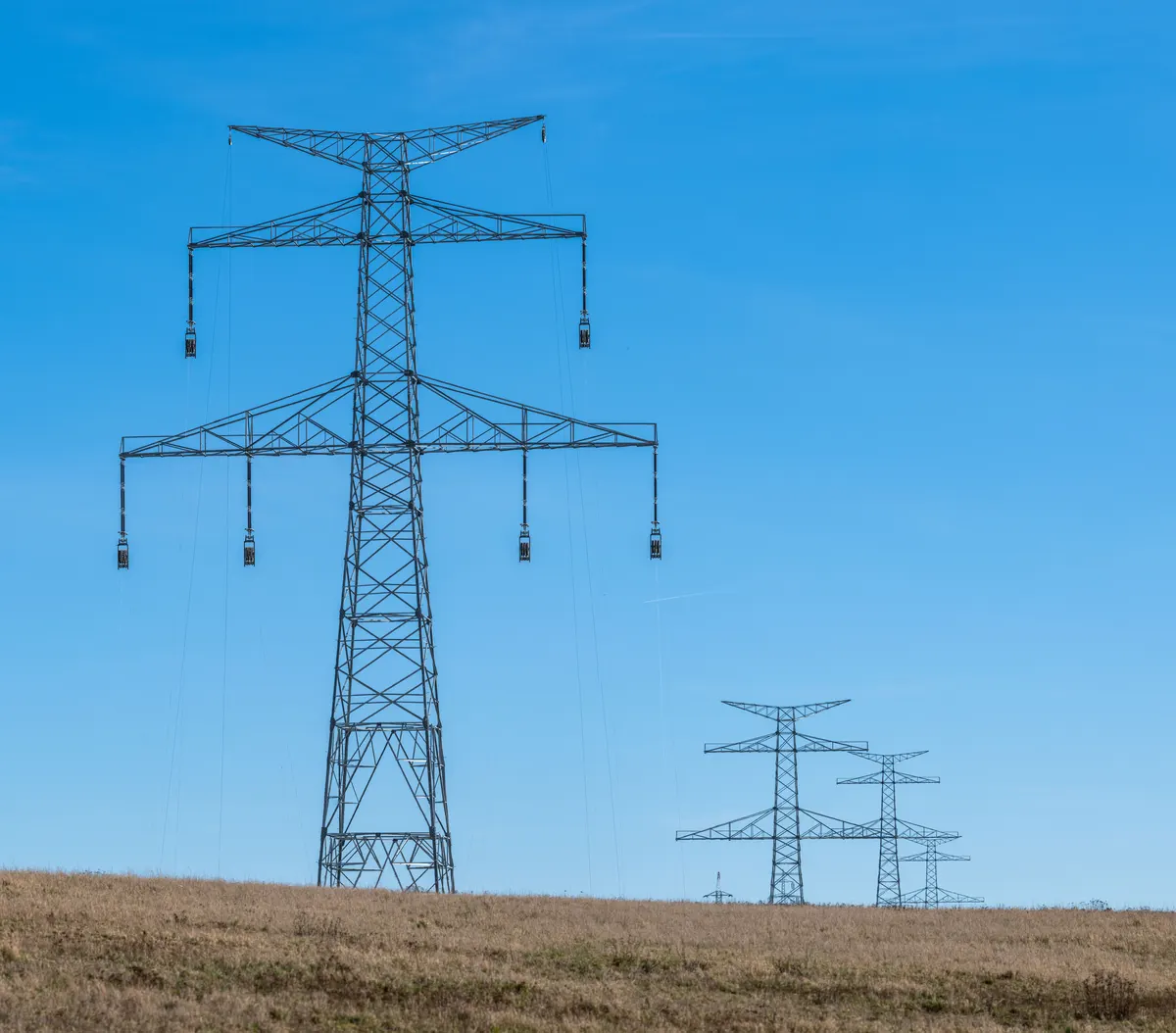
A polar vortex power outage in Chicago happens because deep cold pushes two things to their limit at once: how much electricity everyone needs, and how much the grid and the gas system can actually deliver. Furnaces, electric heat strips, and block heaters all run harder the moment temperatures crash, right as some power plants and natural gas wells struggle in the cold themselves. ComEd territory, which covers Evanston, Wilmette, Winnetka, and the rest of the North Shore, has not had a true rolling blackout in recent memory, but the margin for error is thinner than it used to be.
This page walks through what a polar vortex actually does to the grid serving northern Illinois, how real a rolling outage risk is this winter, and what keeps a home running if the lights do go out during the next deep freeze.
- What happens to the grid during a polar vortex?
- Could Chicago actually have rolling blackouts?
- How rotating outages actually work
- Why natural gas gets tight in extreme cold
- Is ComEd's grid ready for deep cold?
- Will a standby generator still start at -20°F?
- How to get ready before the next deep freeze
- Frequently asked questions
What Happens to the Grid During a Polar Vortex?
Short answer: A polar vortex sends record-level electric demand into the grid at the exact moment power plants, gas wells, and equipment are most likely to struggle in the cold. PJM, the regional operator that coordinates power for ComEd and 12 other states, has forecast winter peak demand climbing toward 143,000 megawatts as soon as 2027, driven largely by data centers. That is close to the all-time winter record PJM set on January 22, 2025. Tighter margins mean less room for error if a big storm hits during a cold snap.
Illinois has felt this before. In January 2019, a polar vortex brought the Chicago area 52 straight hours of subzero temperatures, the fourth longest stretch on record. Thousands of ComEd customers lost power that week, not because the grid ran out of electricity overall, but because specific equipment, exposed poles, transformers, and lines, failed in the extreme cold. That distinction matters for the rest of this page: most polar vortex outages are local equipment problems, not a region-wide shortage.
Could Chicago Actually Have Rolling Blackouts?
Short answer: It is possible but still unlikely in any single winter. PJM calls a rolling blackout, officially "load shed," an emergency procedure of last resort used only after conservation requests and other steps fail to keep supply and demand balanced. PJM has not ordered one in ComEd territory in recent winters. The real, more common risk is smaller: a heat-stressed or cold-stressed piece of local equipment failing in your neighborhood, which is a normal outage, not a grid-wide event.
| Event Type | Who Calls It | What It Means for You |
|---|---|---|
| Conserve energy alert | ComEd, for local equipment | No outage yet. Cut usage to protect transformers and lines serving your area. |
| Rotating outage / load shed | PJM, region-wide last resort | Short, controlled interruptions rotate between areas to prevent a bigger failure. |
| Storm or equipment outage | Local failure | The most common kind. Trees, cold-cracked equipment, or ice bring down a line. |
Meteorologists tracking the stratospheric polar vortex flag an elevated chance of a sudden weakening event this winter, the kind that can send arctic air pouring south into the Midwest, typically around January or February. A weak or split vortex does not guarantee a Chicago cold snap, but it raises the odds, which is exactly why this is the season to have a backup plan in place rather than scrambling once the forecast turns.
Know What Backup Power Would Cost Your Home
Tell us about your house and we will connect you with one licensed local electrician for a free, no-obligation estimate before the next cold snap hits.
Get a Free EstimateHow Rotating Outages Actually Work
Short answer: If PJM ever does need rotating outages, power to specific areas is cut for a controlled period, generally 15 to 60 minutes per area, before moving on to the next one, so no single neighborhood carries the whole burden. It is an emergency measure used only after conservation requests and voltage reductions fail to resolve the imbalance.
A few things are worth knowing if this ever happens:
- It is rotated, not random. Utilities cycle through blocks of customers so the same homes are not dark the whole time.
- Notice is often short. Conditions can shift fast during extreme weather, so advance warning is not guaranteed.
- Most outages are not this. A tree limb on a line or a cracked transformer causes a normal, local outage. Our guide to why the North Shore loses power covers those everyday causes in detail.
- Your own outage reports help. Reporting through the ComEd outage map helps crews tell a local equipment failure apart from a wider grid event.
Why Natural Gas Gets Tight in Extreme Cold
Short answer: Natural gas wells, pipelines, and compressor stations can physically freeze in extreme cold, a problem the industry calls a freeze-off. During the February 2021 winter freeze, gas production fell by more than 6 billion cubic feet a day in some producing regions as wellheads and equipment iced up, right as homes and power plants needed more gas than ever. Less supply during peak demand is a core reason cold snaps strain the grid harder than heat waves.
North Shore homes mostly heat with natural gas through Nicor or North Shore Gas, and standby generators run on that same gas line. Local gas utilities size and pressure-test their systems for Chicago winters, so a freeze-off on a Gulf Coast wellhead is not the same as your home's gas service failing. The bigger regional risk is to the power plants that burn gas to generate electricity, which is part of why PJM's winter demand forecasts and generation reserves get so much attention every cold season.
Is ComEd's Grid Ready for Deep Cold?
Short answer: It is better than it used to be, but not stormproof. Since ComEd began its smart grid program in 2012, it says overall reliability has improved by about 57 percent, helping customers avoid nearly 24.7 million interruptions, according to its January 2026 reliability report. Smart switches can reroute power around trouble spots in seconds. They cannot stop a transformer from failing when a line is frozen or overloaded, which is why equipment-level outages still happen during the coldest stretches of winter.
The honest takeaway is the same one that applies to summer heat waves: the regional grid, run by PJM, usually has enough total power. The weak point is local, specific poles, transformers, and lines exposed to Midwest winters for decades. That is a slower fix than any one winter can solve, which is why having backup power at your own house closes the gap the grid cannot close for you.
Will a Standby Generator Still Start at -20°F?
Short answer: Yes, if it is built and equipped for it. Quality standby generators are rated to start and run in temperatures down to negative 20 degrees Fahrenheit, according to manufacturer cold-climate specifications. Extreme cold still makes starting slower by thickening engine oil and reducing battery output, which is why a cold weather kit, block heater and battery warmer, keeps start times fast through a North Shore January. A home battery like FranklinWH handles deep cold differently; see our FranklinWH battery review for its rated operating range.
| Cold Weather Issue | What It Does | What Fixes It |
|---|---|---|
| Thick engine oil | Harder for the engine to turn over | Low-temperature oil rating, block heater |
| Weak battery output | Slower chemical reaction means less starting power | Battery warmer or insulated battery blanket |
| Extended startup time | Engine needs longer to warm up before carrying load | Factory cold weather kit on the unit |
This is a maintenance and equipment question more than a brand question. Our generator winter maintenance guide covers the cold weather kit, battery care, and snow clearance steps that keep a standby unit starting fast all season, and our troubleshooting guide walks through what to check if a unit ever hesitates on a cold morning.
How to Get Ready Before the Next Deep Freeze
Short answer: Winterize any standby generator you already have, build a cold weather outage kit, and if your home does not have backup power yet, get it installed before the forecast turns, not after. Installation lead times stretch out once a cold snap is already in the news.
- Winterize what you have. Cold weather kit, fresh oil rated for low temperatures, and a battery check before the first hard freeze.
- Know how fast your home loses heat. Our hour-by-hour guide to how long a house can go without heat shows how little time you have before pipes are at risk.
- Build an outage kit. See our full winter power outage preparation checklist for what to stock before the cold hits.
- Review past storm damage. Our July 2026 storm recap shows how fast a single severe weather event can overwhelm local crews, a pattern that repeats in winter too.
- Price out a standby system. A whole home generator starts on its own within seconds of an outage and runs on your existing natural gas line for as long as the cold snap lasts.
Sources: PJM's load shed fact sheet explains how rotating outages and emergency procedures actually work. The NERC and FERC report on the February 2021 winter freeze documents the natural gas production losses from freeze-offs. Generac's cold climate considerations whitepaper covers standby generator cold-start specifications.
Frequently Asked Questions
What is a polar vortex and why does it stress Chicago's power grid?
A polar vortex is a pool of extremely cold air that normally spins over the Arctic. When it weakens or splits, that cold air can slide south into the Midwest for days at a time. In January 2019, a polar vortex brought Chicago 52 straight hours below zero, the fourth longest stretch on record. Cold like that pushes electric demand toward record highs right as some power plants and gas wells struggle to operate, which is what strains the grid.
Could ComEd order rolling blackouts during a polar vortex?
It is possible but rare. PJM, the regional grid operator for ComEd's territory, calls rolling blackouts a last resort emergency measure used only after conservation requests and other steps fail to keep supply and demand in balance. PJM's own winter demand forecasts keep climbing as data centers add load, which is why the risk, while still low in any single winter, is higher than it was five years ago.
Why does natural gas supply get tight during extreme cold?
Natural gas wells, pipelines, and compressor stations can freeze in extreme cold, a problem known as a freeze-off. During the February 2021 freeze that hit Texas, natural gas production fell by more than 6 billion cubic feet a day in some regions as wellheads and equipment froze, according to federal regulators. Less gas supply during the exact week that homes and power plants need the most of it is part of why cold snaps strain the grid more than heat waves do.
Will a standby generator still start when it is 20 below zero?
Yes, if it has the right equipment. Quality standby generators are built and tested to start down to negative 20 degrees Fahrenheit. Extreme cold still makes starting harder because it thickens engine oil and slows the chemical reaction inside the battery, so a cold weather kit with a block heater and battery warmer keeps start times fast and reliable through a North Shore winter.
How much notice would I get before a rotating outage?
PJM describes rotating outages as controlled interruptions that typically last 15 to 60 minutes per area before moving to the next one, used only after conservation requests and other emergency steps are exhausted. Notice periods are short and vary by event, which is exactly why a generator that starts on its own within seconds matters more than advance warning.
Deep Cold Is Coming Either Way
You cannot control the polar vortex, PJM's winter demand forecast, or how fast a wellhead freezes a thousand miles away. You can control what happens inside your own house when the power goes out, whether that is a local equipment failure or a rare rotating outage. Fill out the form on this page for a free, no-obligation estimate on standby power before the next deep freeze. We send it to one local licensed and insured electrician, and your information is never sold.